Kindergarten

School life begins!
In a rich, warm, and family-like environment, learning becomes play and play becomes learning.
A comprehensive educational programme centered on play, joy, safety, and creativity — with the children at the heart of it all — and designed with respect for the needs and schedules of working parents.

In Kindergarten, the energy, enthusiasm, and creativity of young children are transformed into structured play, painting, physical activity, and gradually into learning. Through enjoyable and multifaceted activities, children learn through experience. They move, observe, touch, experiment, discover through their senses, create, express themselves, coexist, and collaborate.

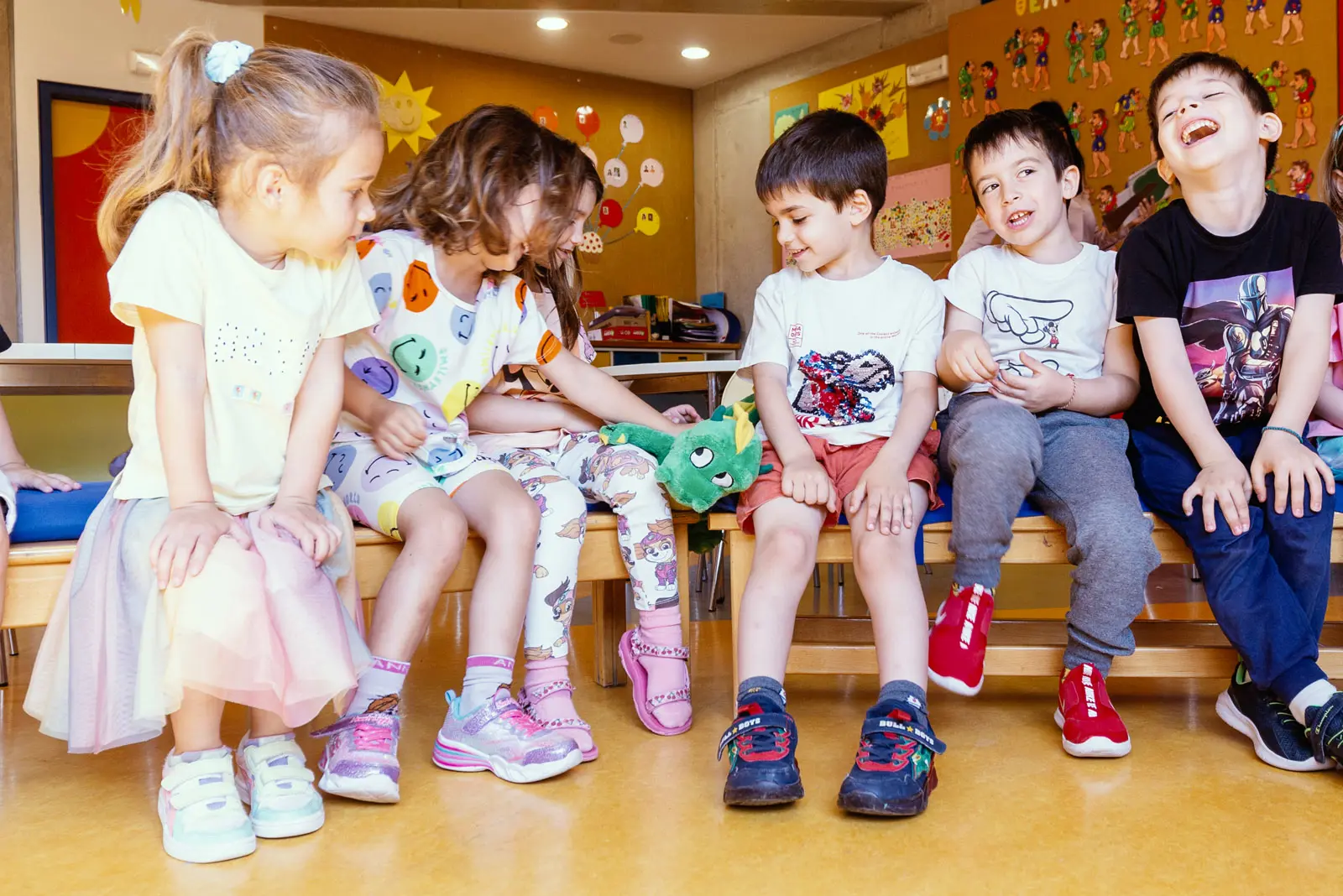
The main goal of Kindergarten is the holistic development of the child — intellectual, social, emotional, and psychomotor. Within the classroom group, children learn to cooperate, to respect others, to develop empathy, to understand the rules of individual and group behaviour, and to acquire important social and emotional skills.

Two kindergarten teachers — one Greek and one German — are with the children every day, guiding and supporting their learning and developmental journey. Each theme is based on the children’s interests and with stimuli from their natural and social environment, while knowledge is acquired through play.

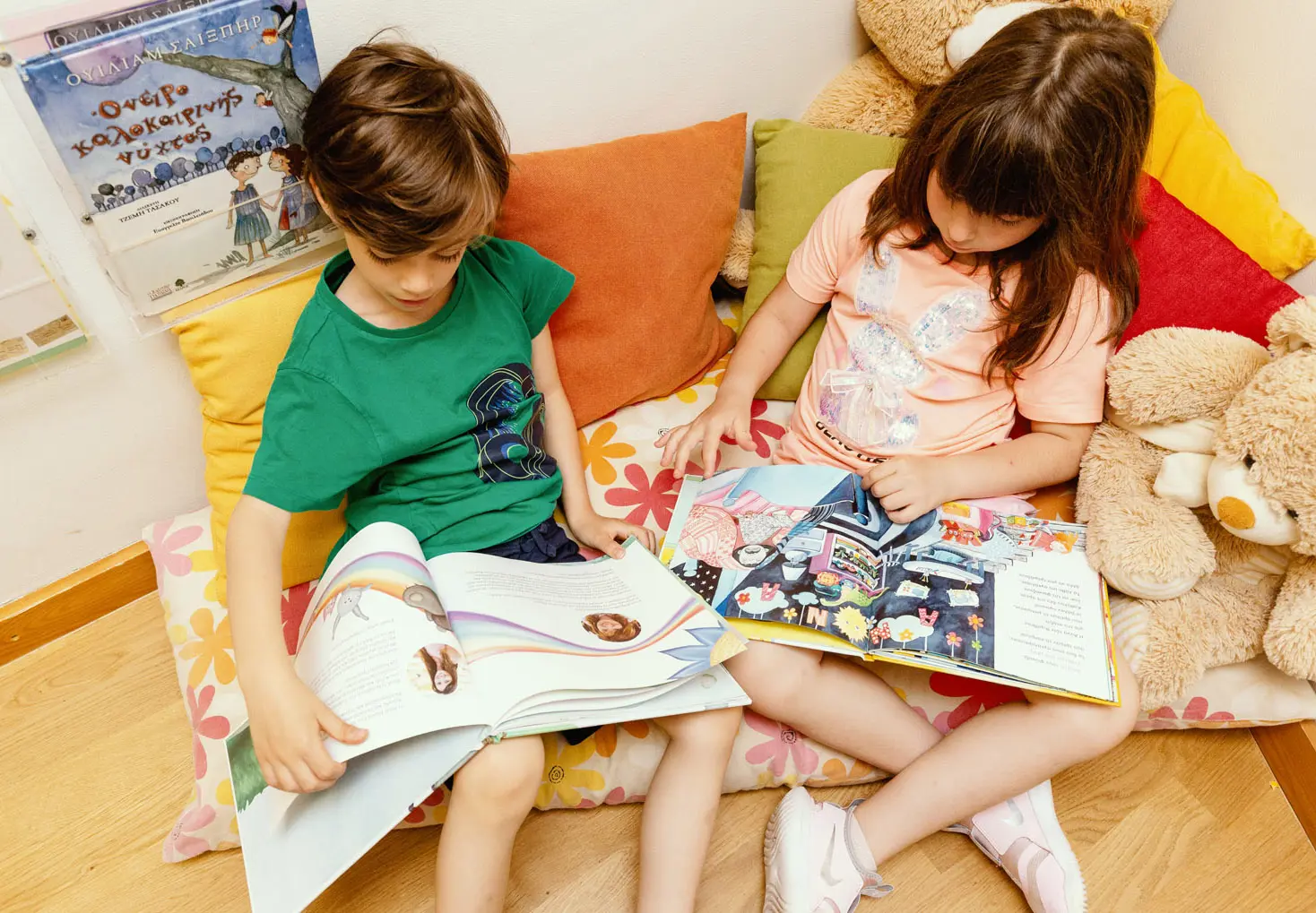
Language expression, pre-writing exercises, early writing and reading, mathematical concepts, music, drama, visual arts, physical education, and new technologies are all combined to provide each child with the opportunity to follow their own learning pace and to be gradually prepared for primary school.

The educational material developed by our team of Greek and German kindergarten teachers follows a unified methodological approach. Based on experiential learning, across the curriculum connections, play, and discovery, within an emotionally safe environment, children learn and expand their understanding of the "world." Educators offer opportunities for group participation, encourage initiative-taking, and support children in expressing their ideas and desires.

The German language is integrated into everyday communication across all aspects of school life — in organized activities, during meals, and at playtime. Celebrations such as St. Martin’s Day and the Osterhase (Easter Bunny) introduce children to German customs and traditions.

Through puppet theatre, drama play, painting, and music-movement education, children develop a wide range of skills. Sports, swimming, and psychomotor education help children get to know their bodies and abilities, to control and coordinate their movements, and to harmonize with rhythm and music.

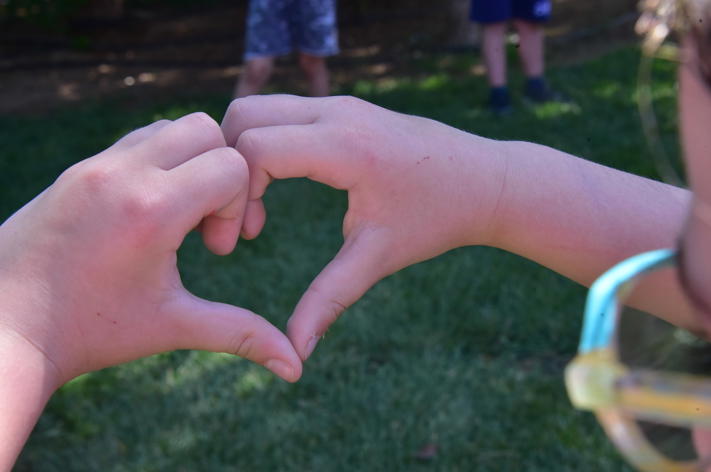
Children often find themselves outside the classroom — either in the 6-acre natural outdoor learning space and the organic vegetable garden, or on excursions beyond the school grounds. Visits to ecological parks, theatres, museums, playgrounds, and historical archaeological sites offer a wealth of creative inspiration.

Kindergarten life is further enriched through weekend children’s parties and family activities. Kindergarten teachers and sports instructors play, dance, and sing with the children in a diverse programme, while parents are given the opportunity to actively participate in their child’s school life.

Beyond the main morning programme, children have the option to stay at school in the afternoons as well. During all afternoon activities apart from excluding sports, time is allocated for lunch, served in the school dining area with a carefully designed and nutritious menu.

Transportation to and from school is provided by school buses, operated by experienced drivers and attendants.

From the window of kindergarten, the child will take their first glimpse of the world — and their first flight toward it. We hope the sense of safety, warmth, and love that we offer now will mirror the safety, warmth, and love they will one day inspire in others, as mature human beings.