Natural Sciences

Natural Science courses hold a special place at all levels of education in Ellinogermaniki Agogi, as they help students understand and interpret the world around us. In their everyday life outside school, children come into contact with natural phenomena at home, on the street, during play and sports, usually observing them involuntarily. However, this contact is not systematic, since the sequence of these phenomena is random, and it is not the child’s primary aim to analyze them critically to achieve understanding.

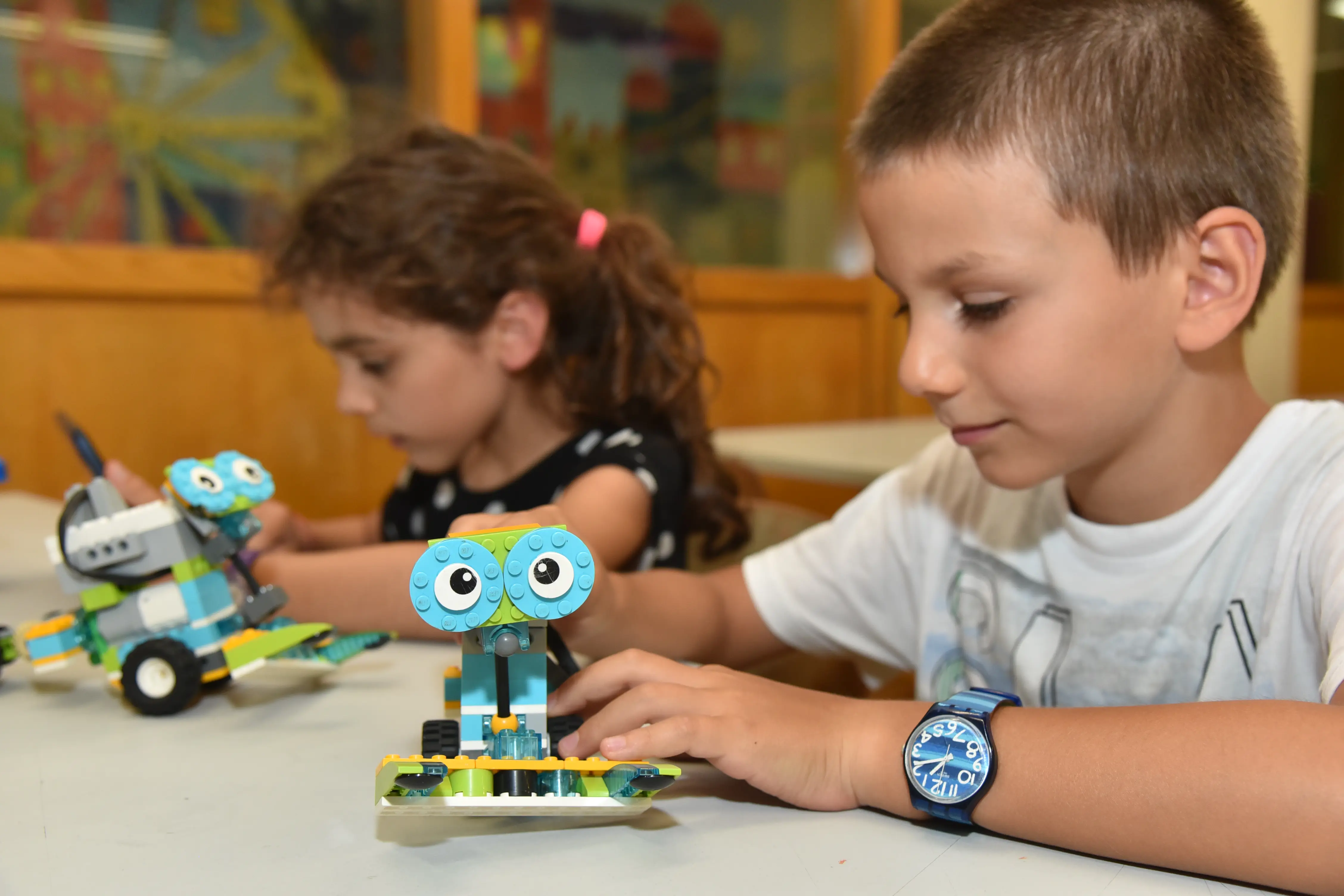
Children observe phenomena from everyday life, while teaching focuses on cultivating observation, recording, and formulating simple hypotheses.

In Elementary School

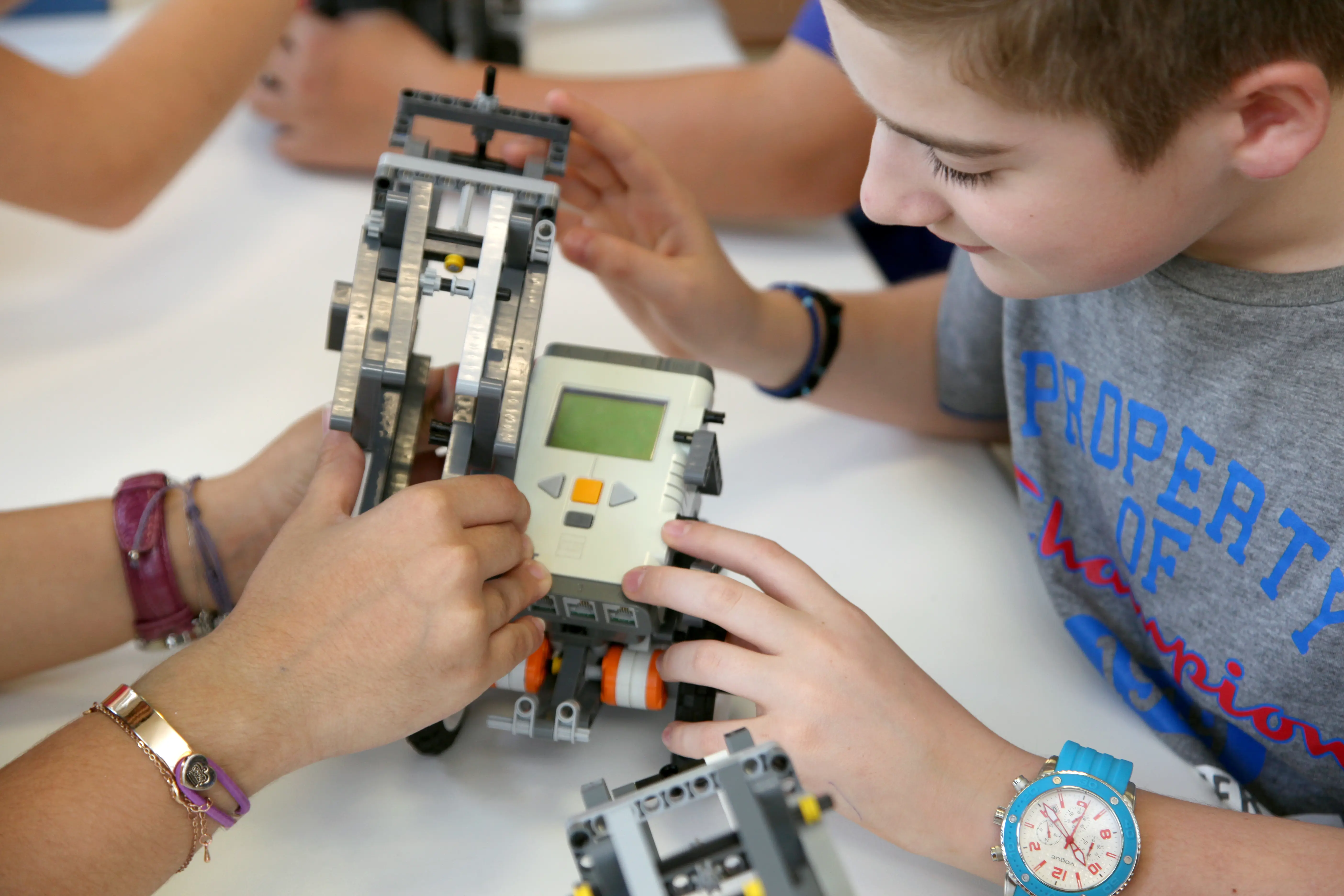
Children's first contact with Natural Sciences is through experiential and observational means. Children observe phenomena from everyday life — at home, at play, in nature. Teaching focuses on cultivating observation, recording and formulating simple hypotheses. Through simple experiments, constructions, the use of technology and cross-curricular activities, children discover the basic principles that govern the natural world. In this way, the first cognitive skills are cultivated that lead to the formation of a personal, but also scientifically founded perception of nature.

In Middle School

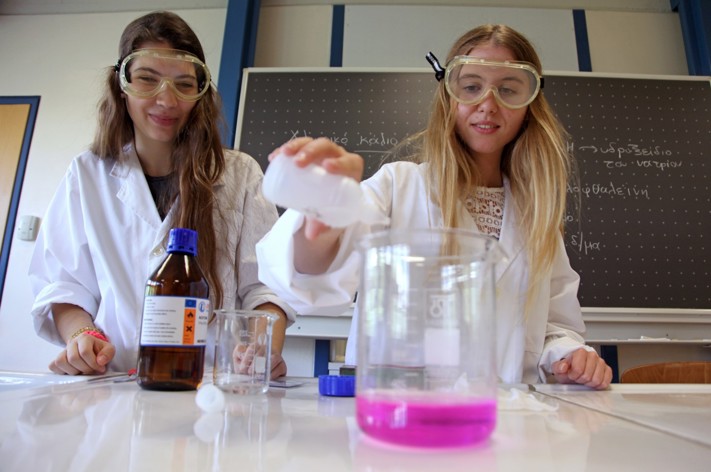
In Middle School, students advance to a deeper understanding of natural phenomena, searching for the relationships, causes and qualitative explanations that govern them. Teaching focuses on interpretation, analysis and the transition from experiential experience to abstract thinking. Students are encouraged to observe, hypothesize, experiment and confirm their conclusions, while they are gradually introduced to quantitative relationships and the mathematical way of describing phenomena. This process strengthens their scientific thinking, perseverance and the ability to systematically investigate.

In high school, students are encouraged to observe, hypothesize, experiment, and confirm their conclusions.

In High School

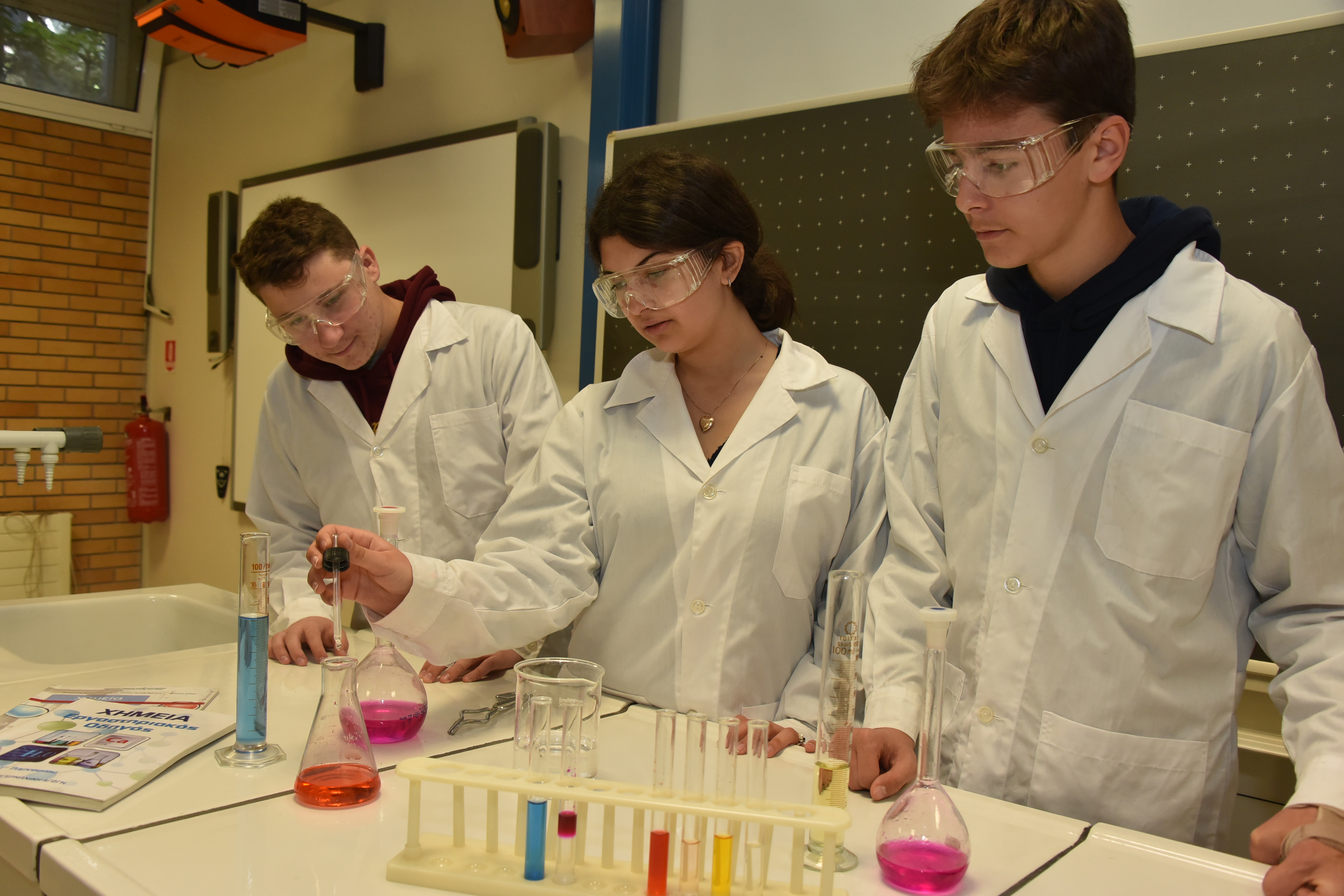
In High School, the teaching of Natural Sciences becomes more complex and demanding. Students delve into the mathematical formulation and interpretation of natural laws, connecting theoretical concepts with phenomena that they have already qualitatively understood in previous grades. The emphasis shifts to precise measurement, quantitative analysis and the synthesis of different cognitive fields, so that knowledge acquires coherence. Students work in fully equipped laboratories, participate in research activities, scientific visits and educational walks, while they are encouraged to connect school knowledge with the technological and environmental challenges of the modern world.

Natural Sciences in Greek-German Education are a field for the development of research, thinking and creation; they cultivate curiosity, methodicality and a responsible attitude towards knowledge and the world that surrounds us.